1. STEM Teacher Resource Manuals (Ghana,Liberia and Rwanda)
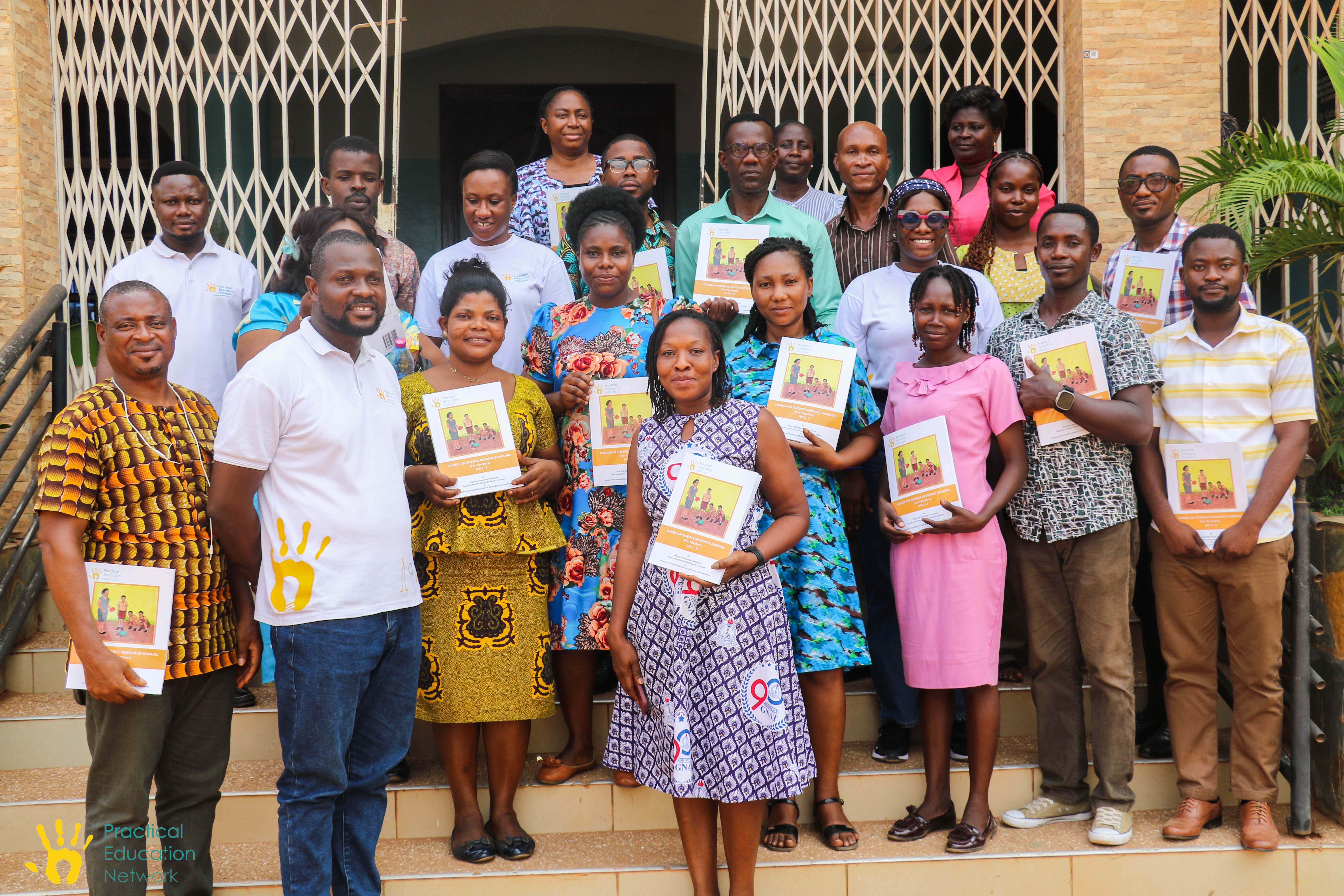
Context: Many schools lacked practical resources for teaching STEM effectively. Teachers struggled to make abstract concepts tangible for learners.
My Role: Lead designer, aligning hands-on activities with national curriculum standards.
Deliverables:
-
Comprehensive teacher resource manuals for Science and Math
-
Activities designed with locally available materials (plastic bottles, balloons, stones, string)
-
Step-by-step teaching guides with objectives, procedures, and applications
Impact/Results:
-
Teachers gained practical tools for experiential learning
-
Students engaged more actively in science and math lessons
-
Manuals adopted into teacher training efforts in both countries
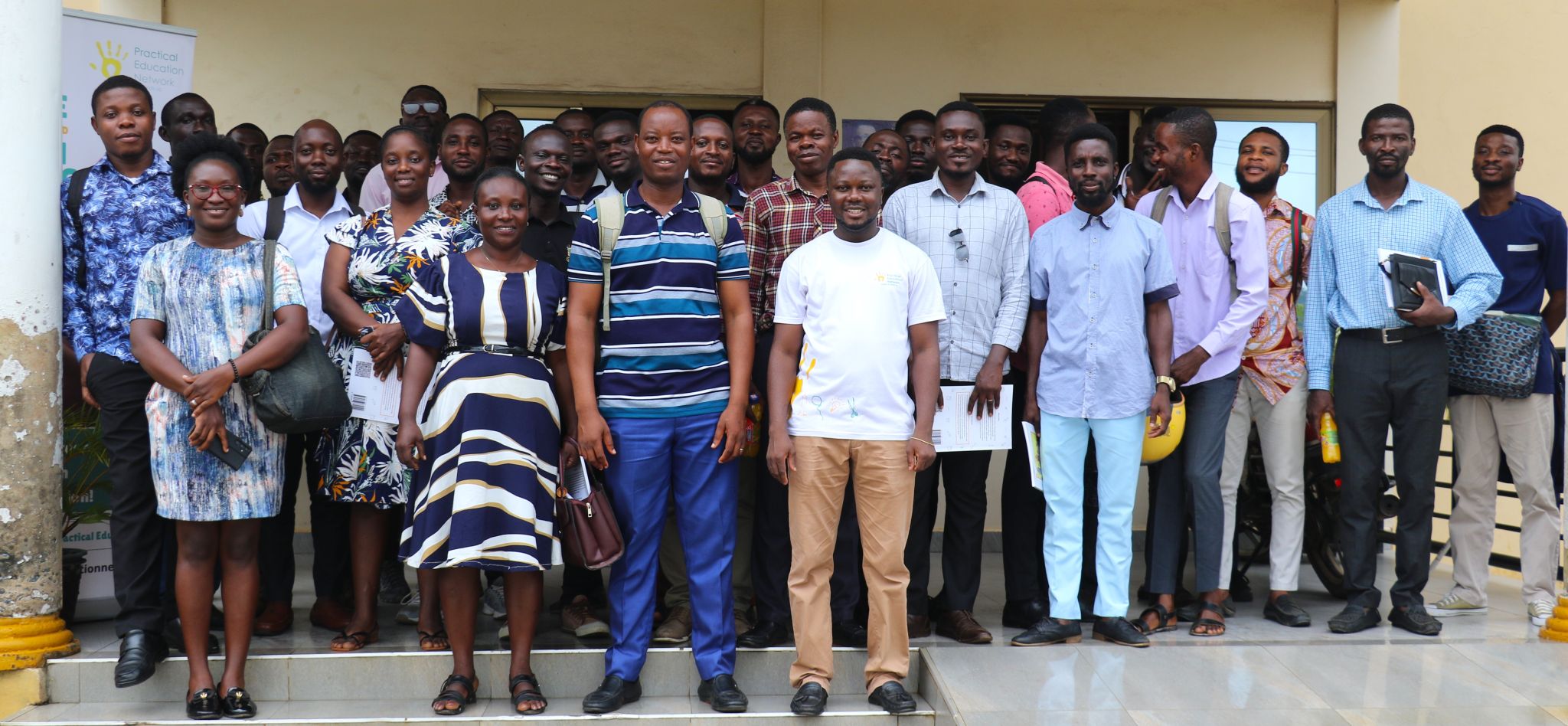
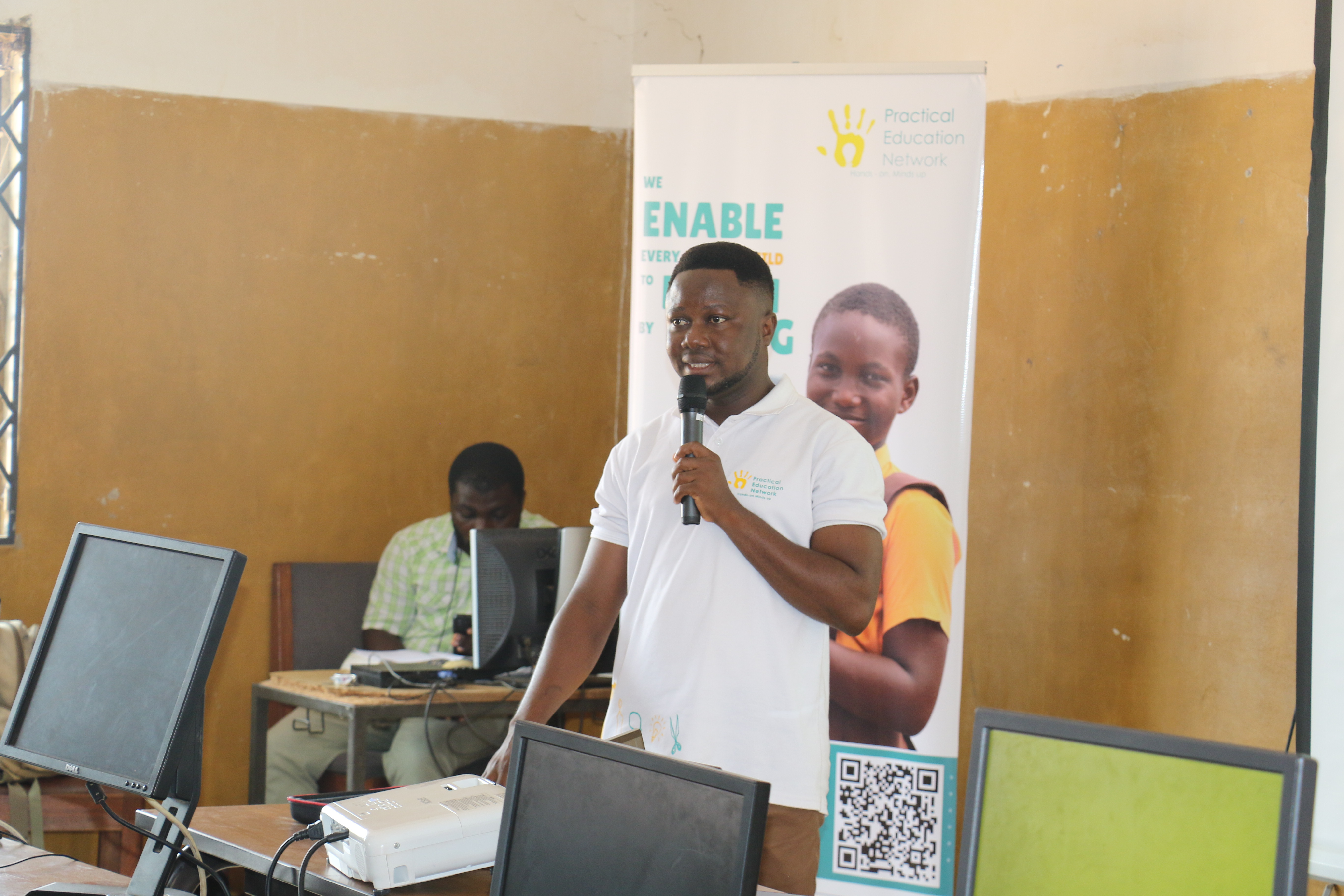
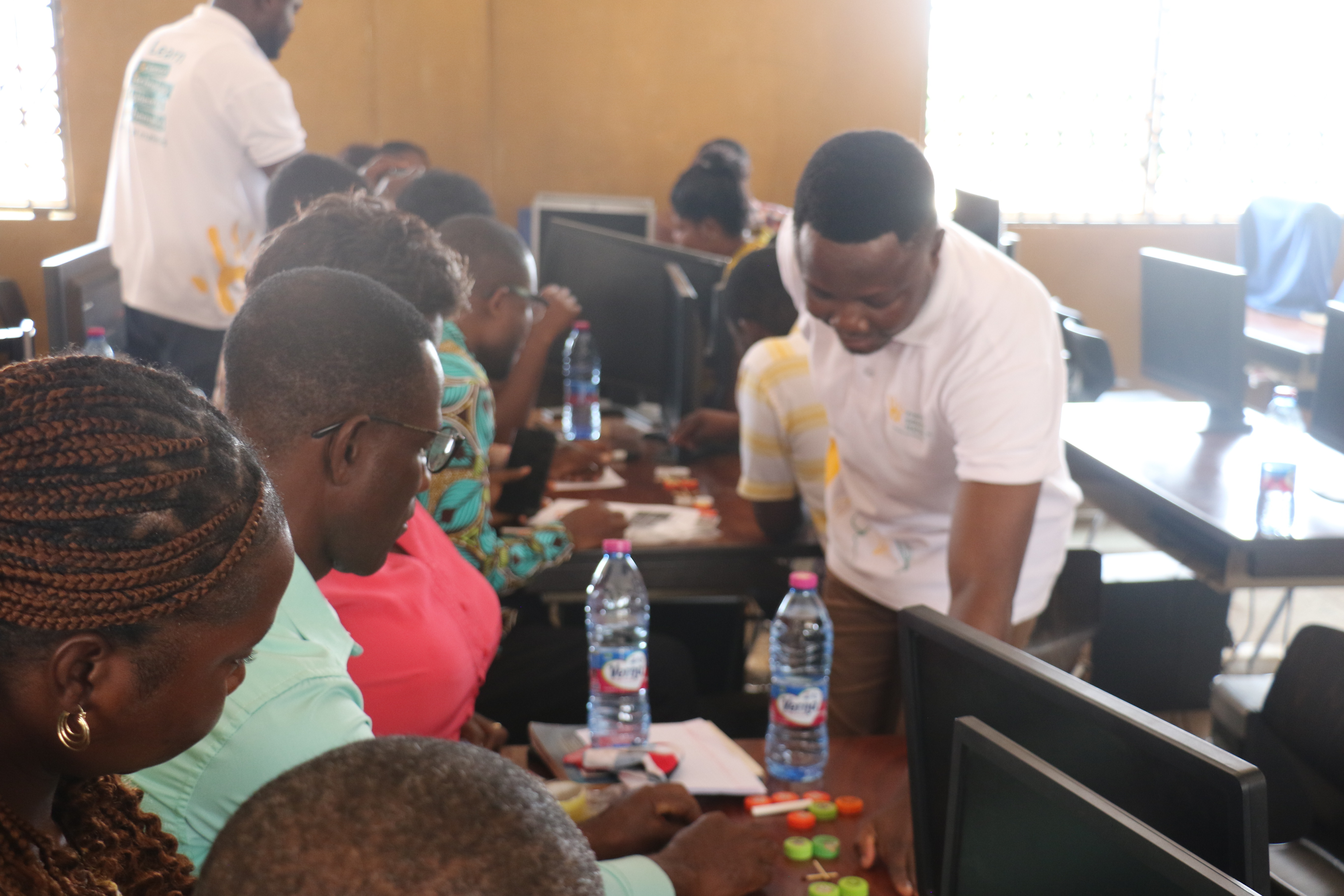
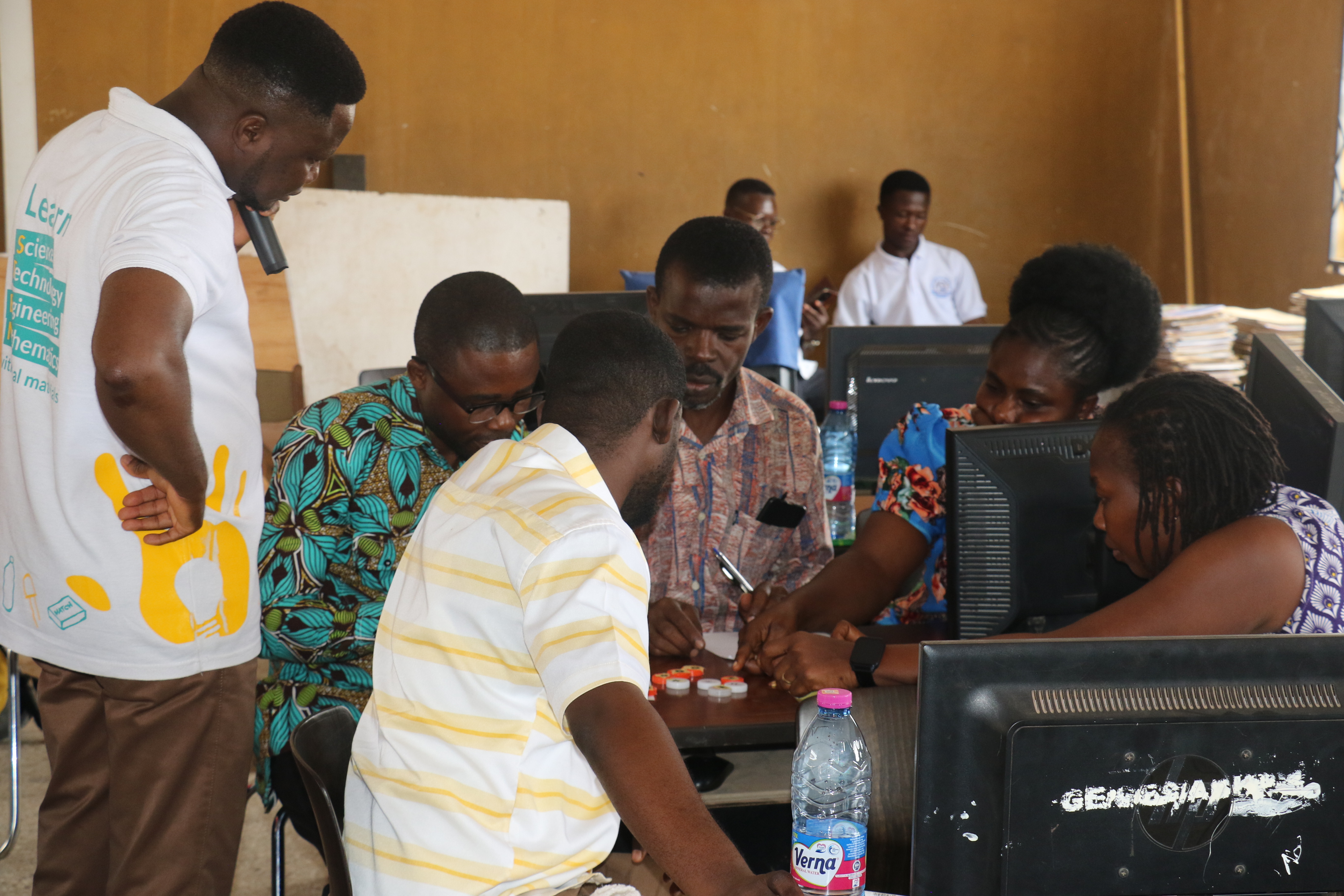
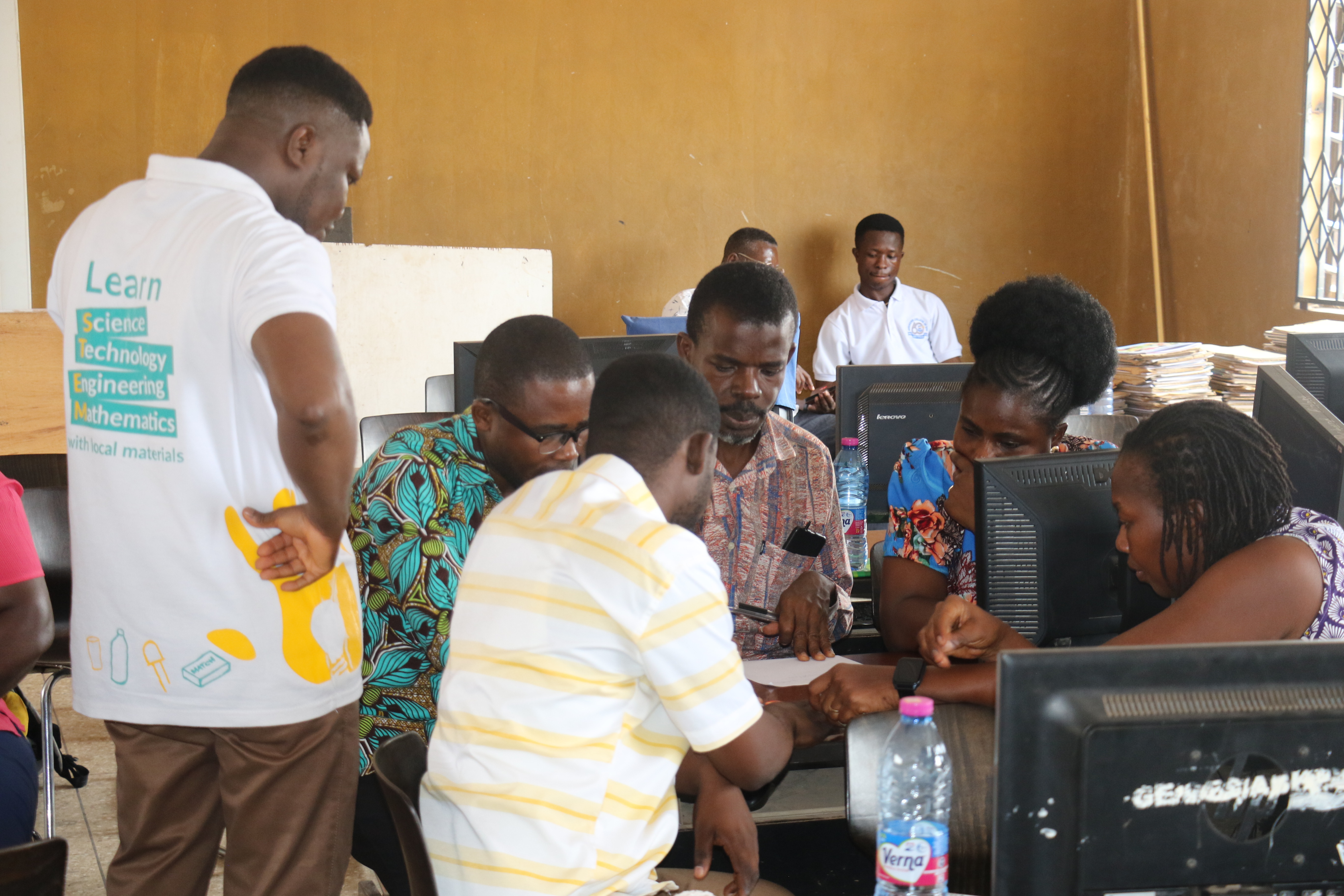
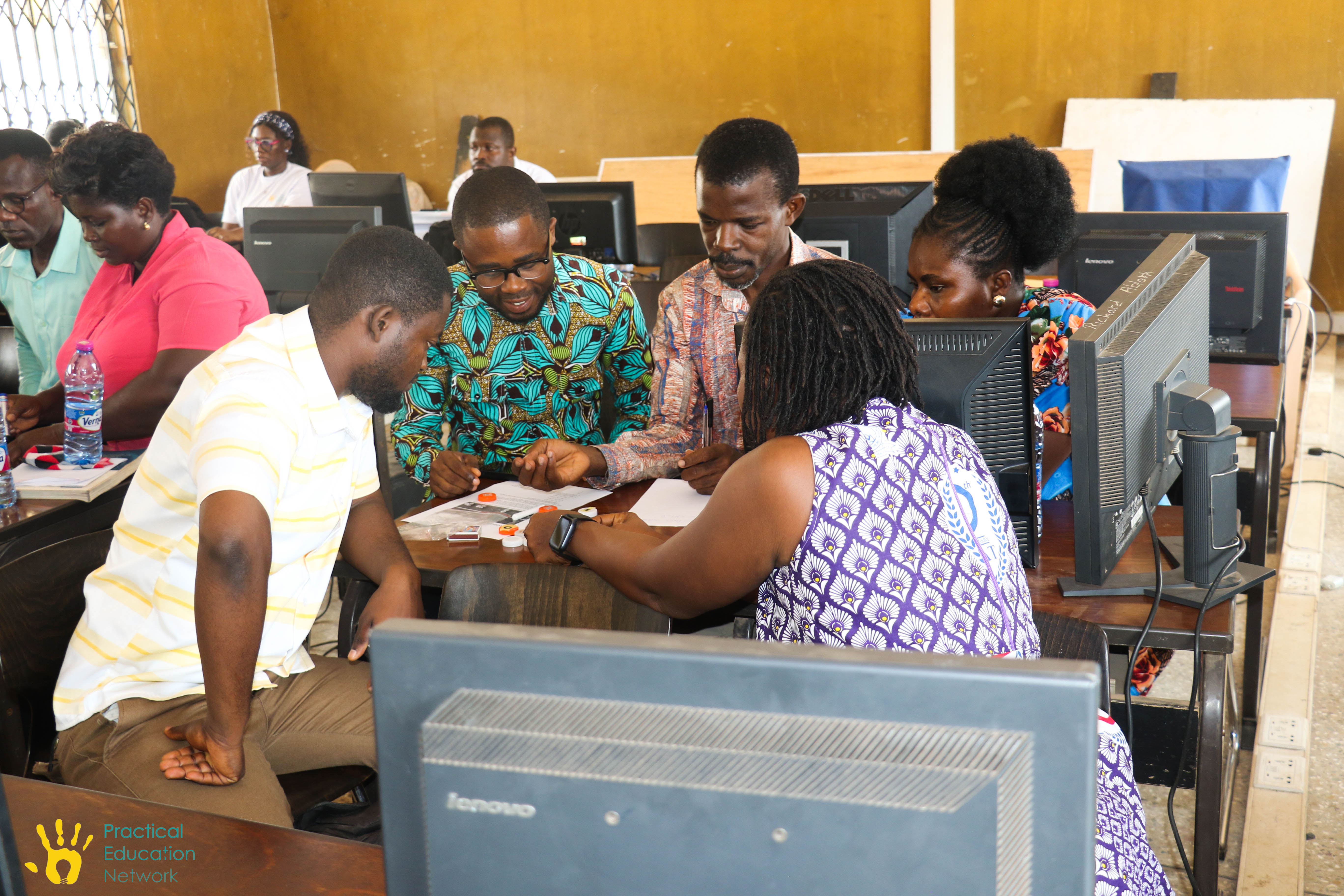
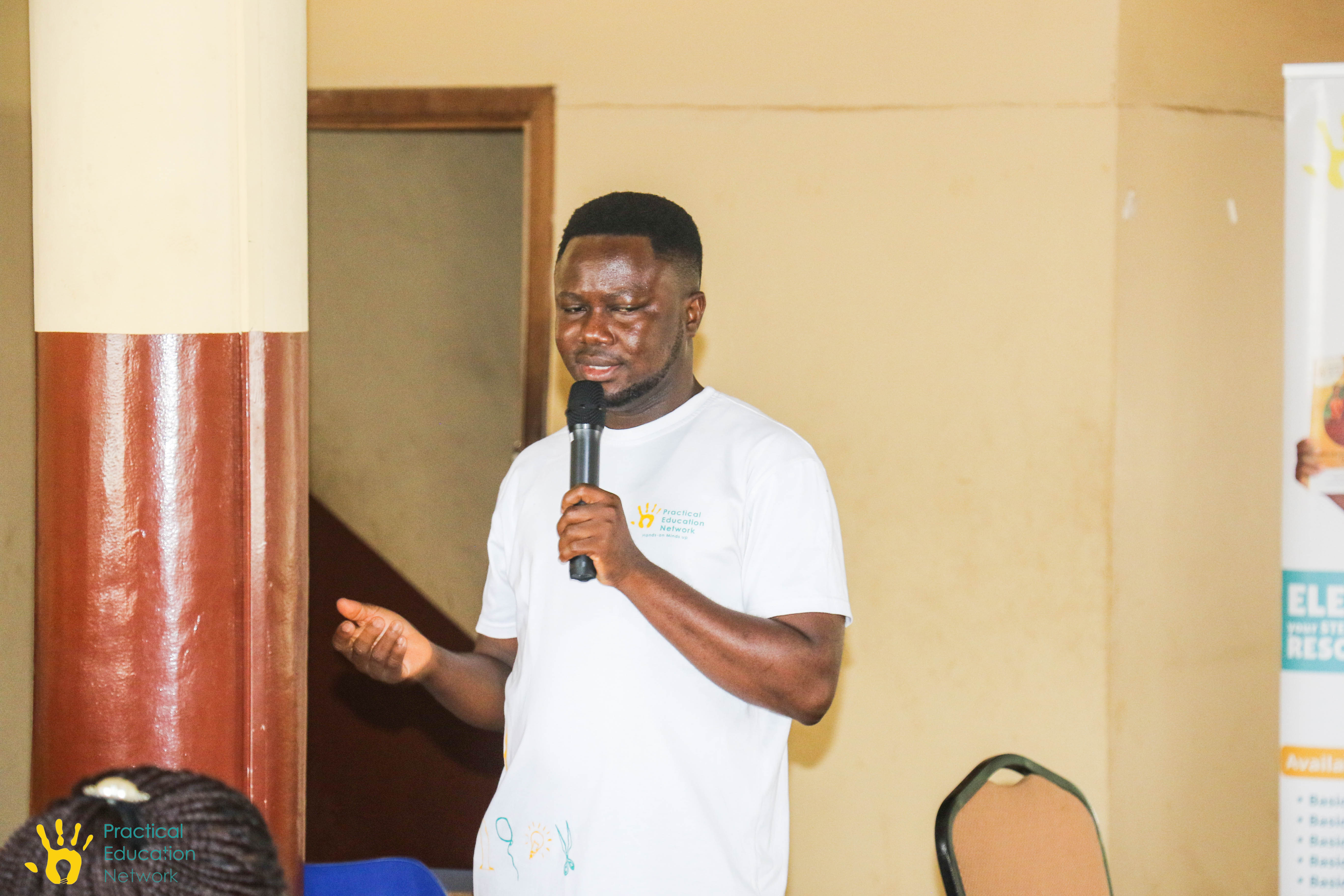
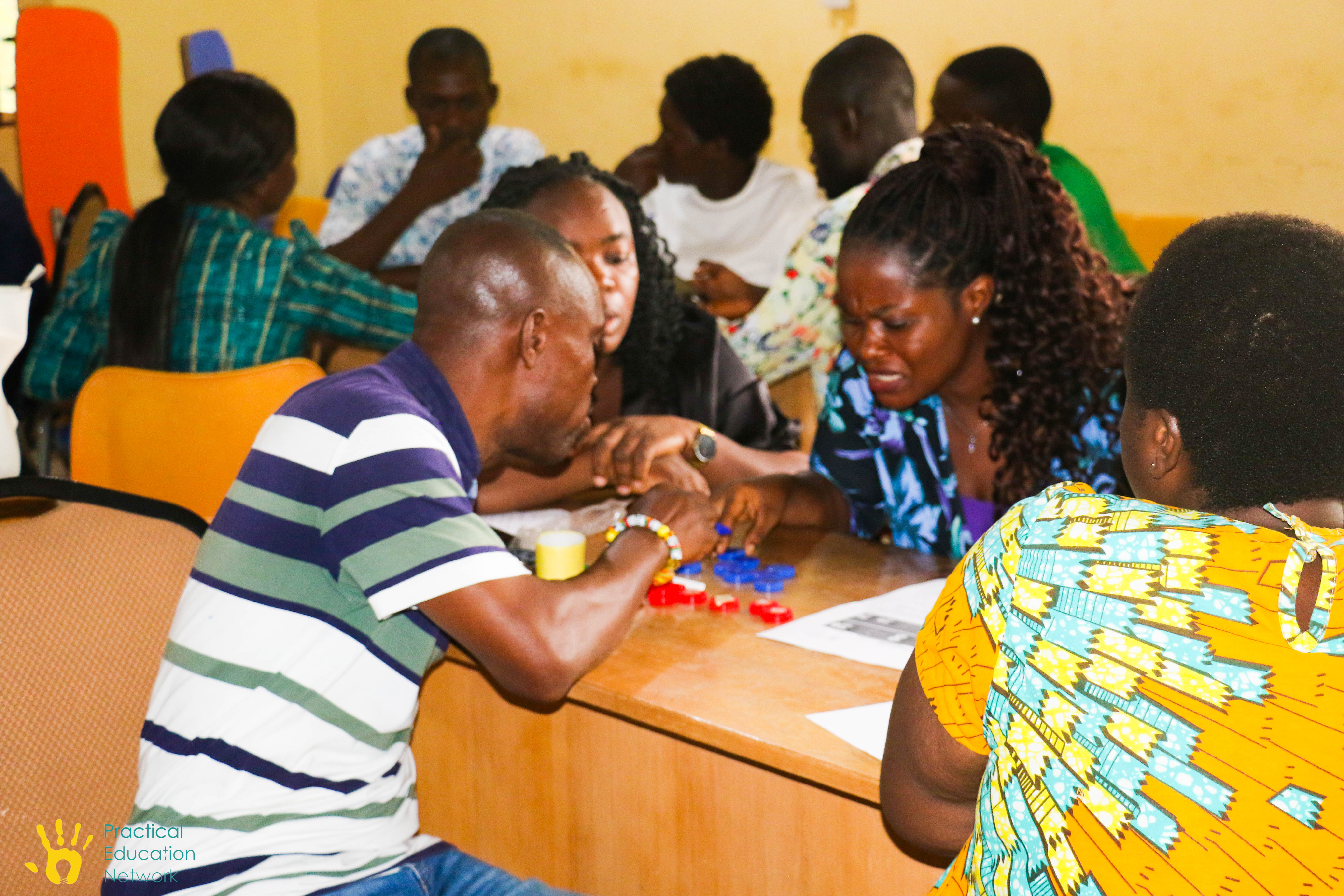
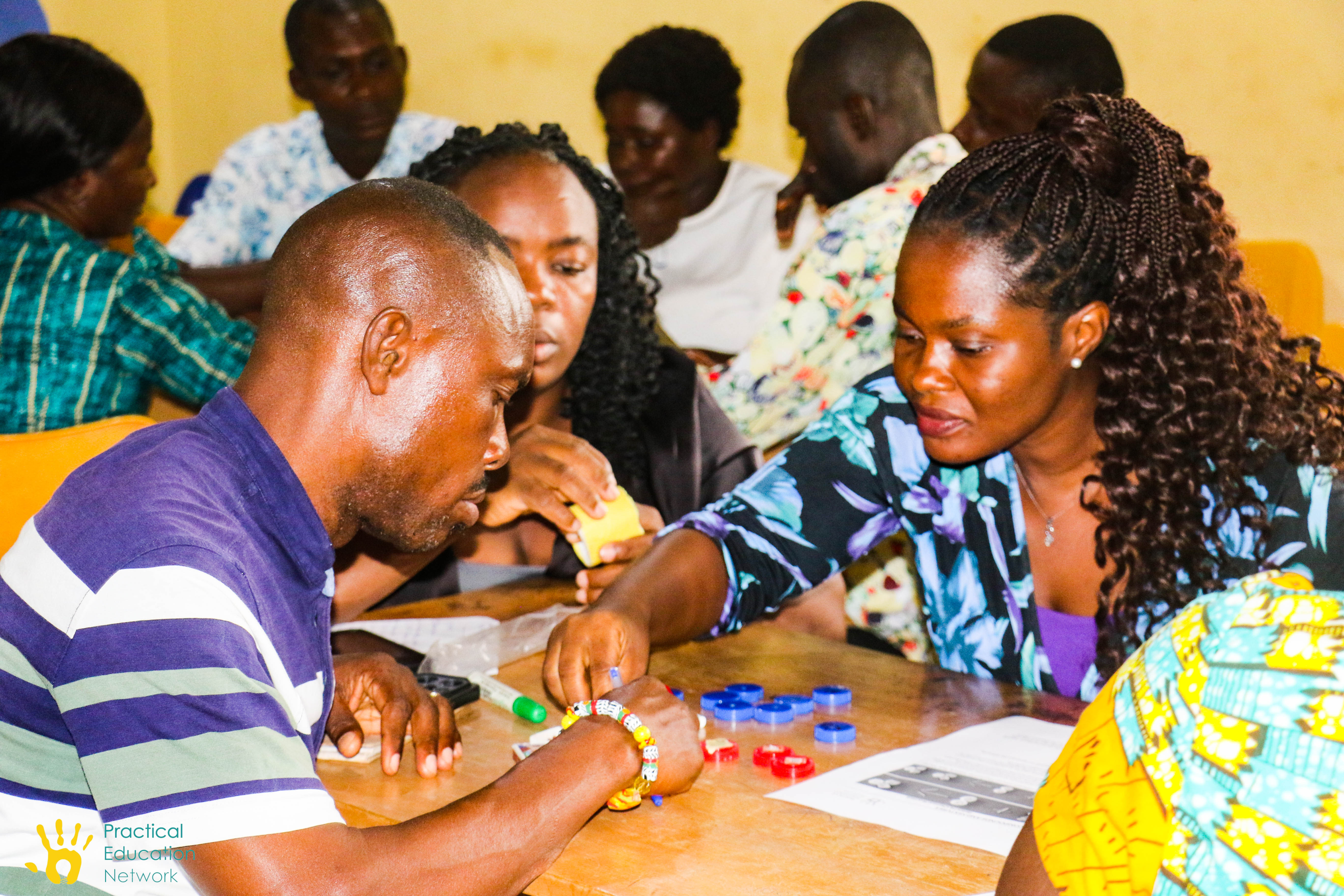
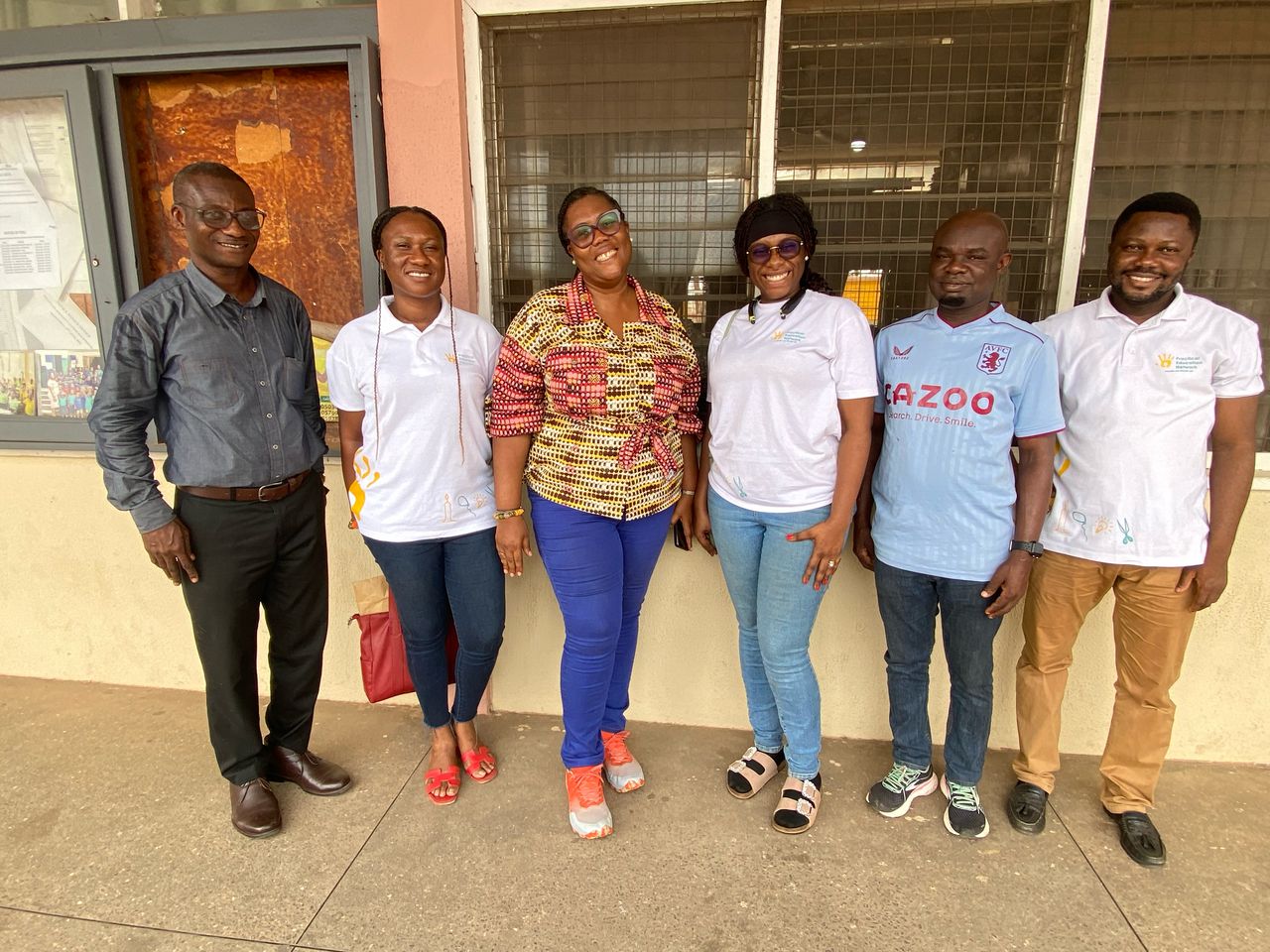
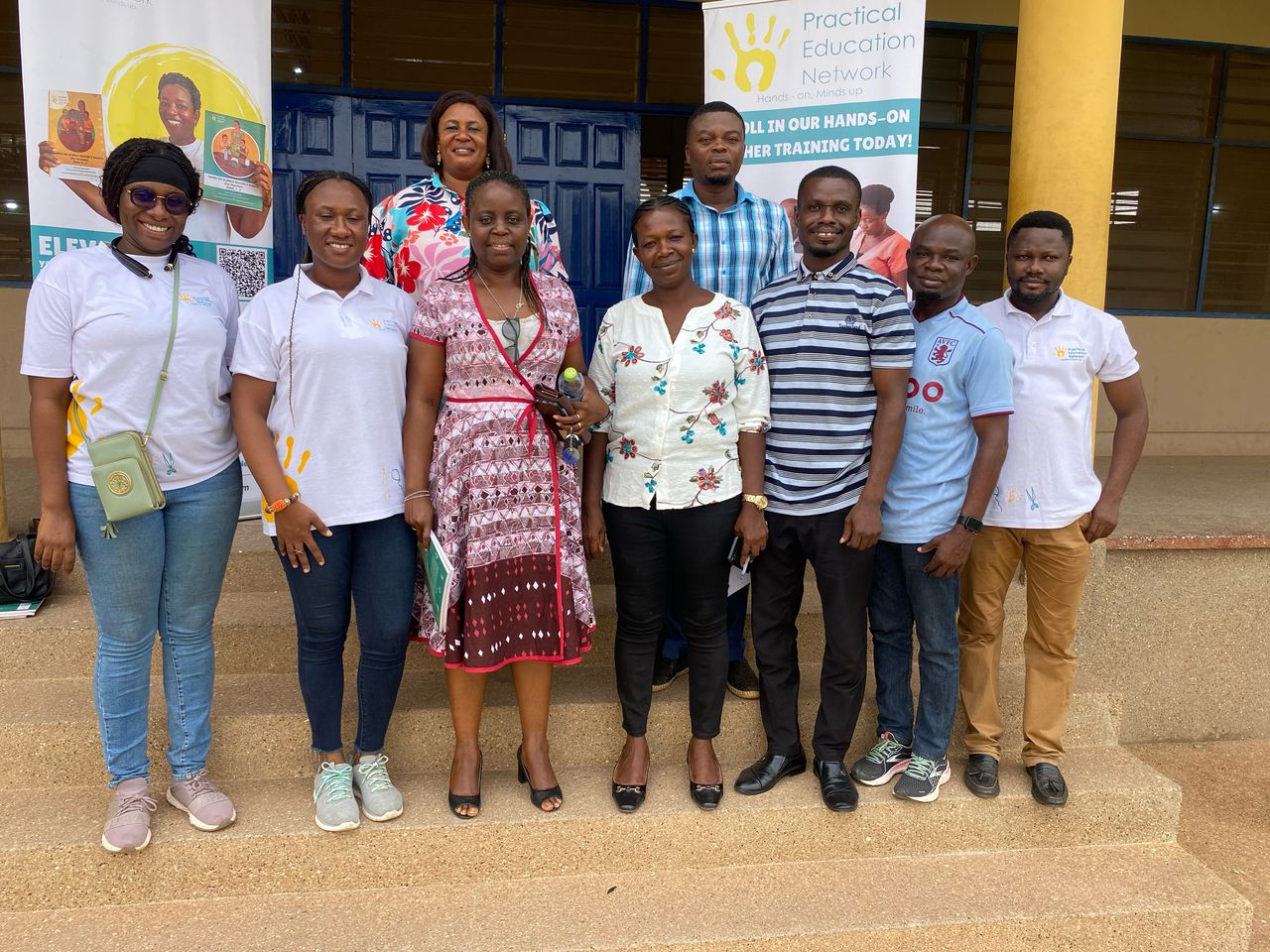
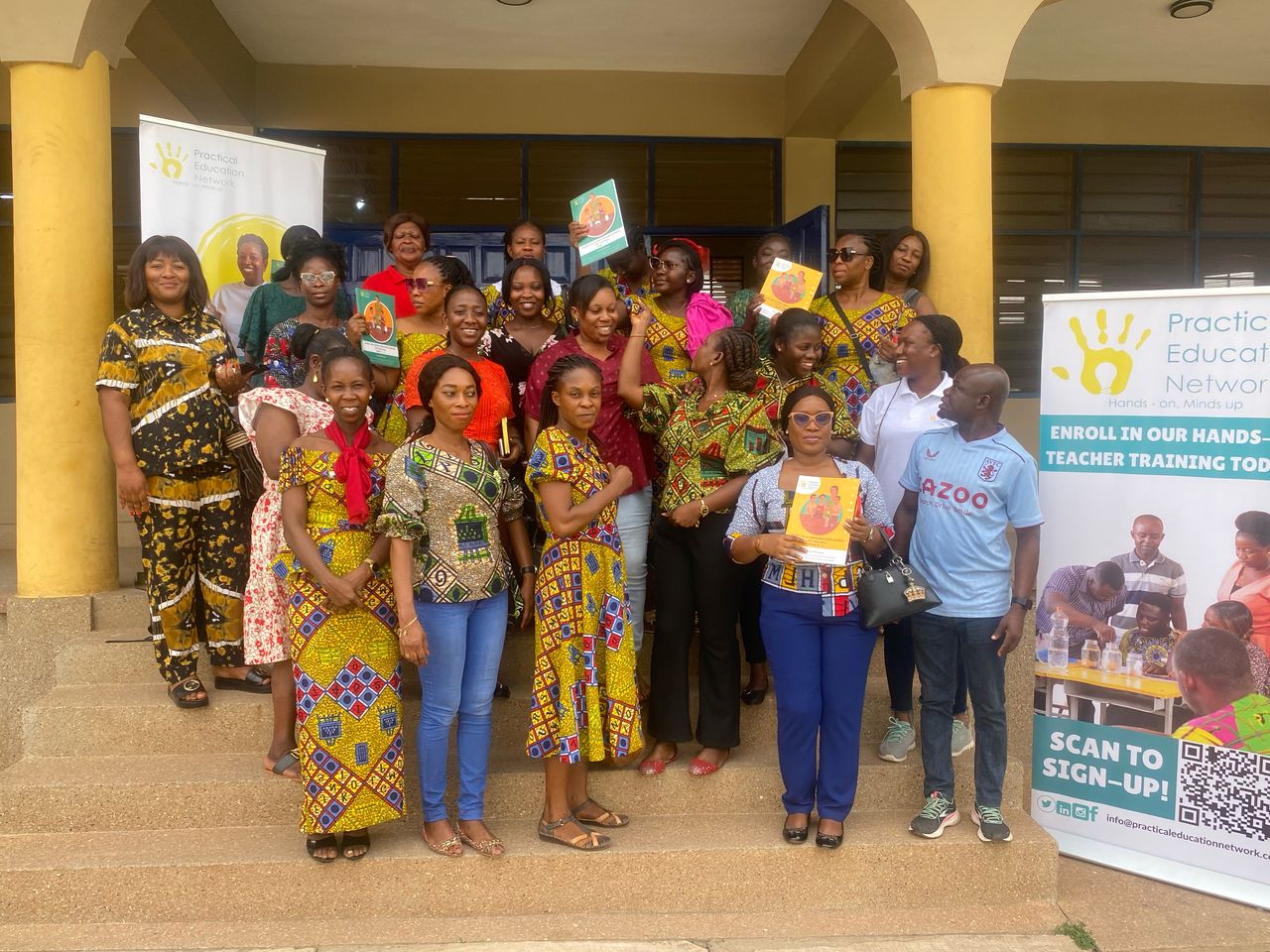
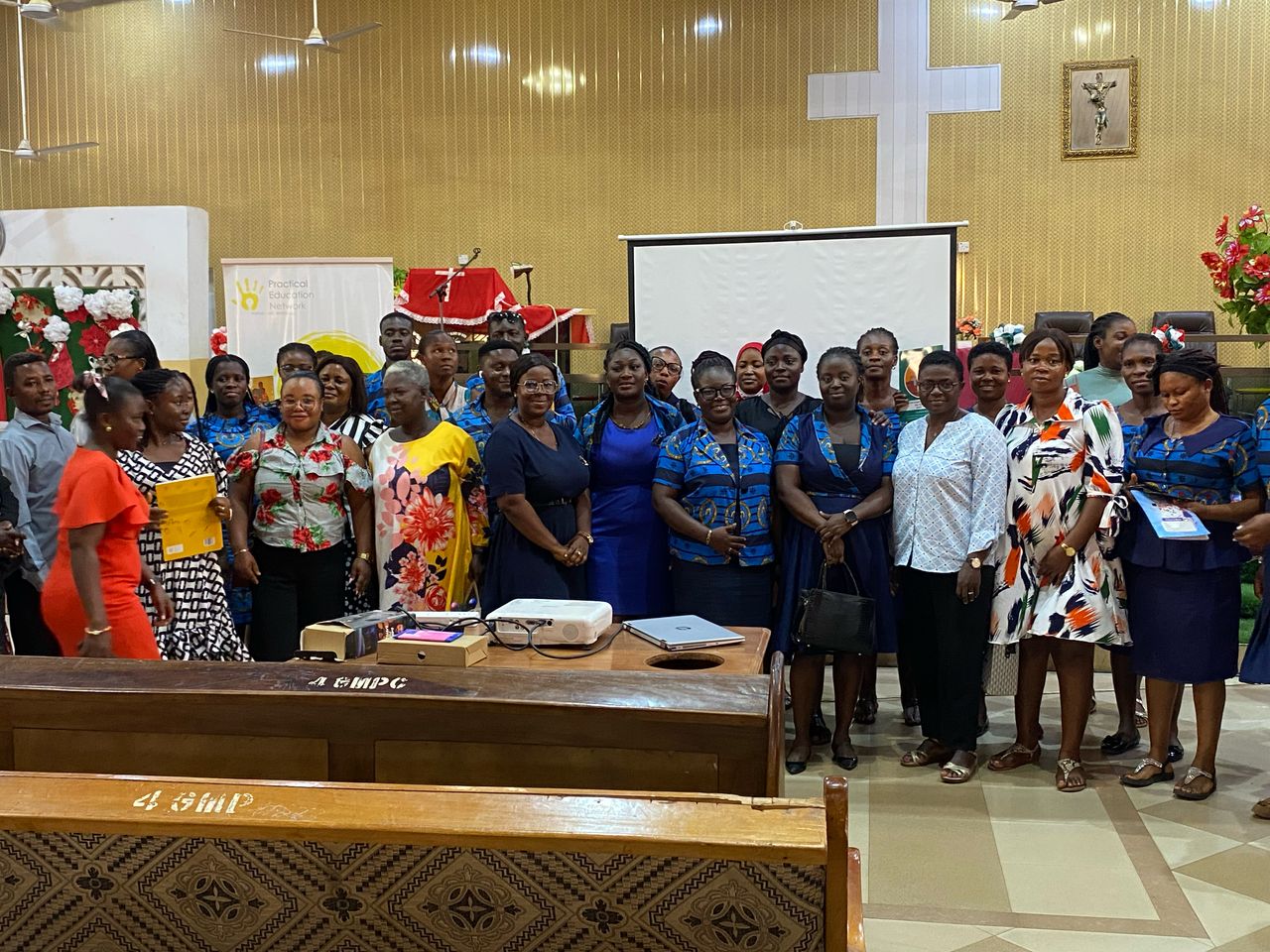
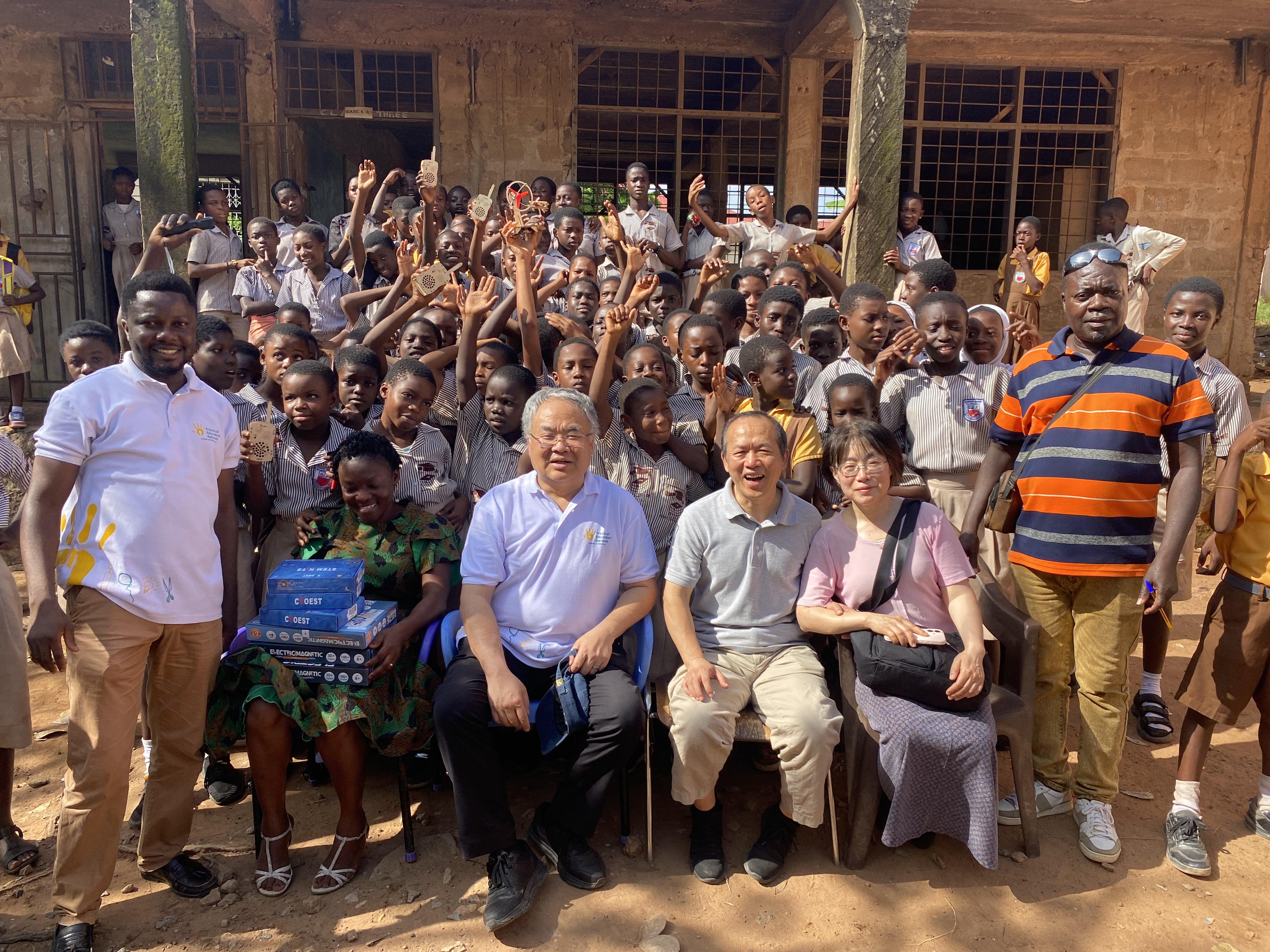
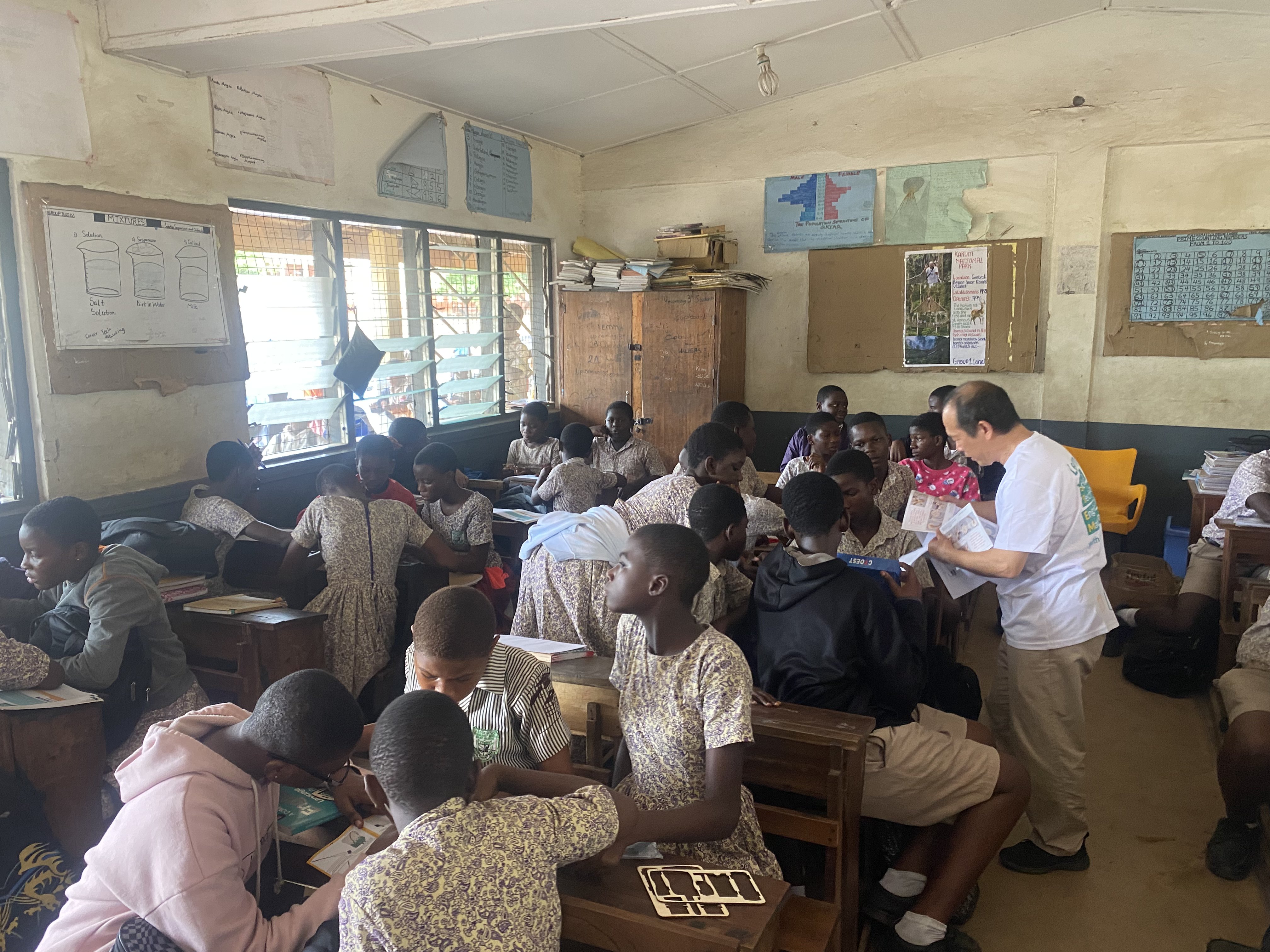
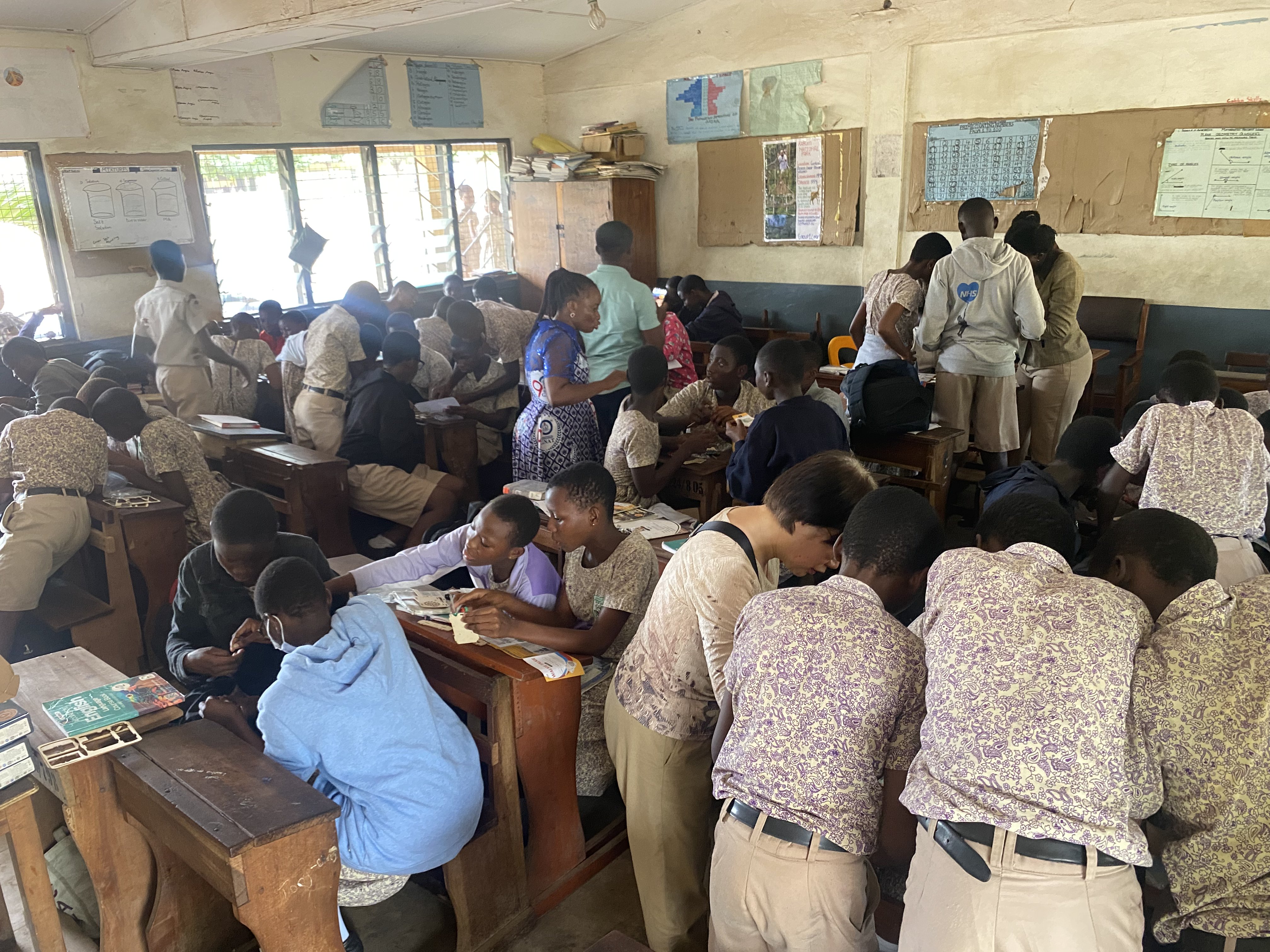
2. Hands-on Mathematics and Science Workshop (Ghana, 2024)
Context: Mathematics and instruction in many classrooms were abstract and lecture-driven. Teachers needed strategies to make math interactive and relatable.
My Role: Workshop developer and facilitator.
Deliverables:
-
Workshop guide featuring project-based and problem-solving activities
-
Training sessions for mathematics teachers at the secondary level
Impact/Results:
-
Teachers reported greater student participation in math lessons
-
Learners demonstrated improved problem-solving confidence
-
Positive feedback reinforced the effectiveness of hands-on approaches
3. Online Asynchronous Teacher Training (Thinkific andCanvas LMS)
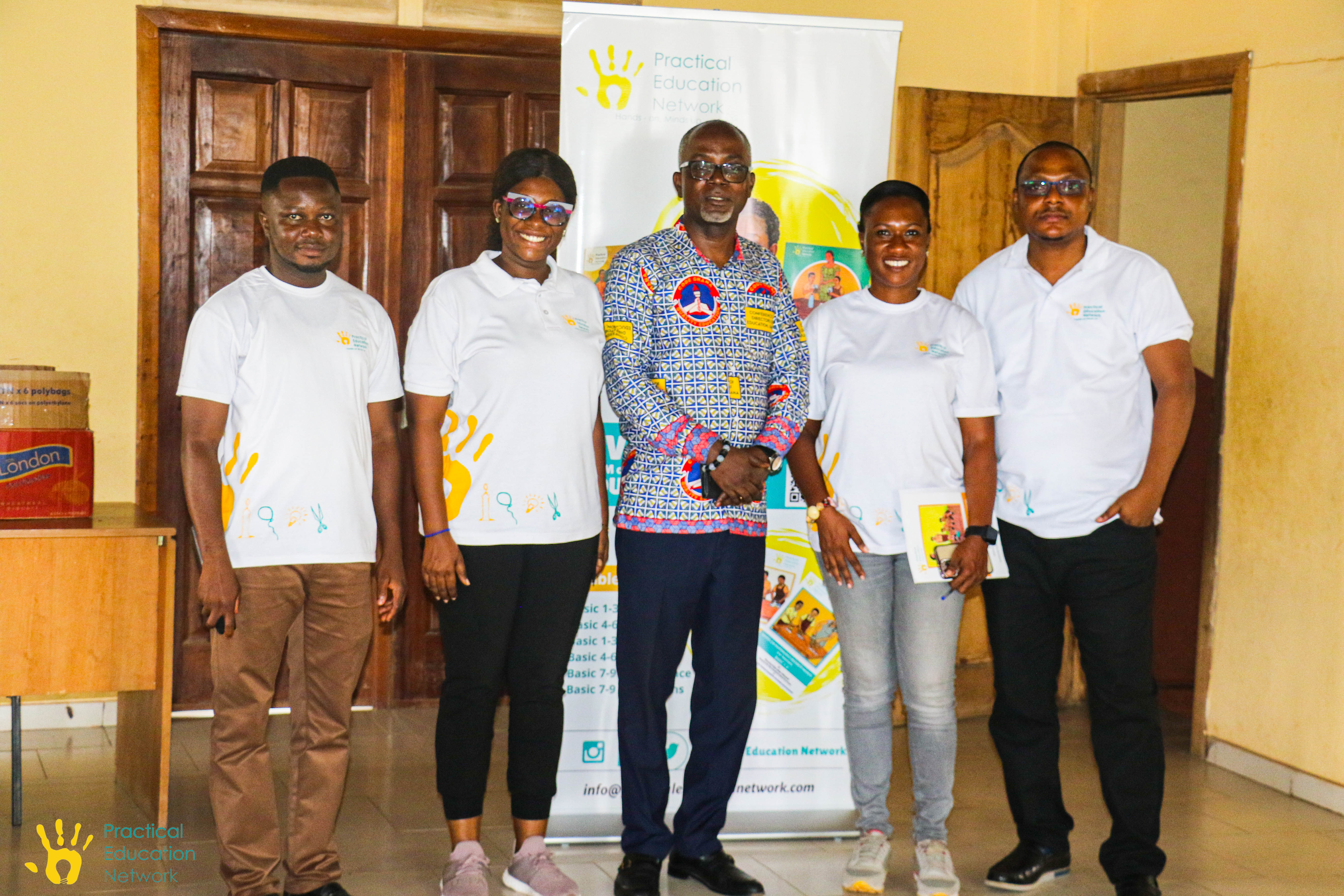
Context: The Practical Education Network (PEN) sought to scale training beyond face-to-face workshops by adopting a blended model.
My Role: Instructional designer and LMS architect, responsible for structuring modules and learning flow.
Deliverables:
-
Self-paced online courses hosted on Canvas LMS and Thinkific LMS
-
Video lessons, interactive quizzes, and reflection prompts
-
Engagement strategies such as periodic check-ins and reminders
Impact/Results:
-
Extended PEN’s reach to teachers unable to attend in-person workshops
-
Increased flexibility for learners to complete training on their own time
-
Identified key lessons about onboarding and digital learner engagement
4. Workplace Training: Humility as a Core Value (2025)
Context: An organization required a workplace learning session to strengthen humility as part of its core values.
My Role: Training designer and facilitator.
Deliverables:
-
Slide deck with structured learning content
-
Interactive group activities and role-play
-
Reflective prompts for personal and team application
Impact/Results:
-
Strengthened organizational culture around humility and respect
-
Enhanced team cohesion and professional relationships
-
Participants expressed increased commitment to applying humility in daily work